
The article.
Published 31 October 2026
Listen to this article
Etsy, the global marketplace known for handmade goods, now asks for one unedited photo in most listings after a wave of complaints about AI-made products, and the lesson for any business selling online belongs in a written rule inside an AI dashboard.
What Etsy changed
Etsy announced the new rules on 22 October 2026 in a company post to sellers. Retail Dive, a United States trade site covering retail, reported the update on 23 October 2026. The update also bans patterns, recipes and instructions written by AI. A guide listed for sale must now show a real result made from the guide, and Etsy says bot-generated listings will be removed.
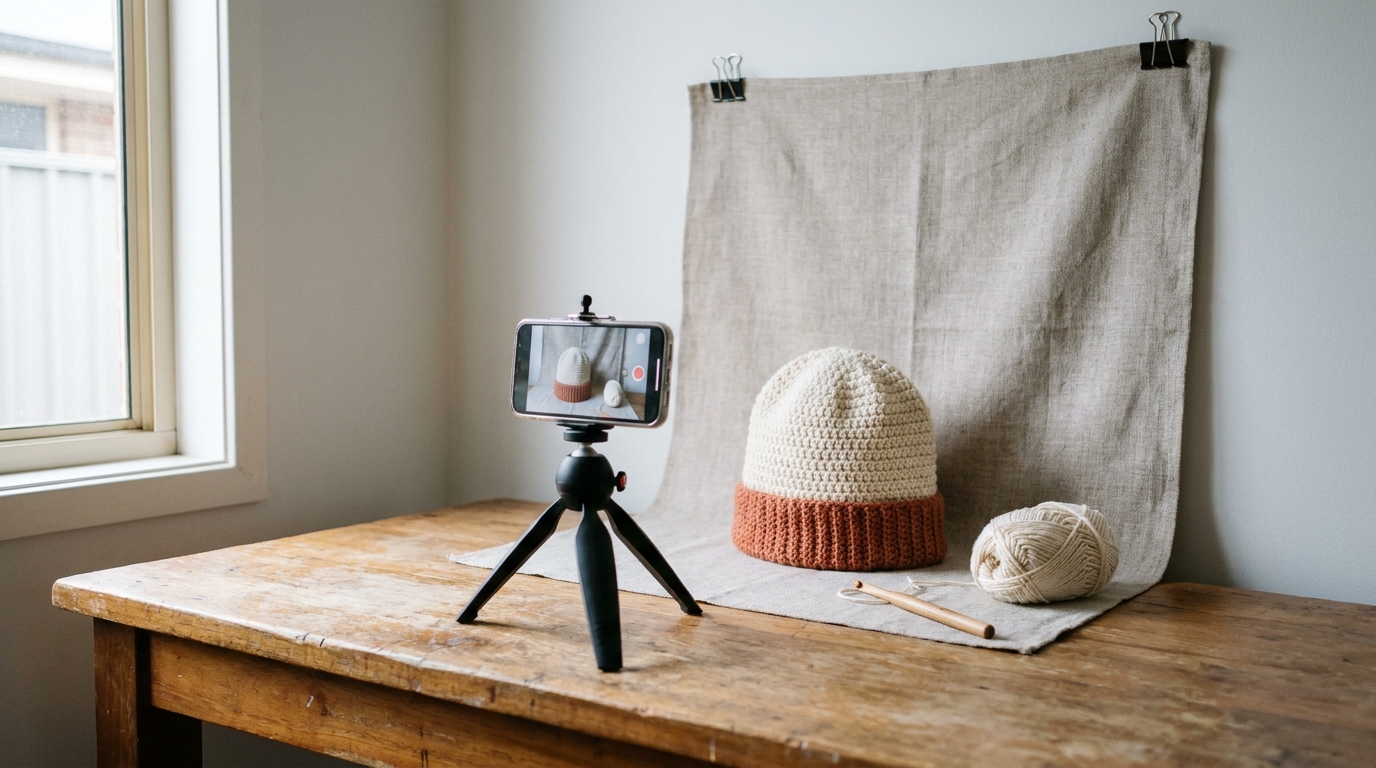
Most listings now need one photo of the product, unedited, against a real background. Edits to exposure, cropping and background, AI edits included, stay allowed on the other listing images, as long as the edits do not make the product look different. Products with nothing to photograph, such as audio files, may use representative images, AI-made ones included, provided the images do not mislead buyers about the purchase, Retail Dive reported.
Where a buyer receives a product materially different from the listing images, Etsy says the seller may be responsible for the refund, the ABC, Australia's public broadcaster, reported on 31 October 2026.
"These changes are our starting point, not the finish line."
Why sellers pushed for the rules
Lucy Cooper, a crochet artist in Hobart, Tasmania, known for a spiral beanie design, told the ABC that an Etsy store was selling an AI-made version of her beanie pattern. After the new rules were announced, she found a second store selling another copy, with all eight product images generated by AI. The second listing went up on 28 October, six days after Etsy announced the changes.
Ms Cooper said the changes lean too heavily on sellers doing the right thing. Etsy has added a way for buyers to report misleading AI images, but the ABC reported that those reports will not lead to immediate enforcement action.
Honest sellers now compete with listings that ignore the policy, as Ms Cooper found.
Why a photo rule matters beyond Etsy
The lesson reaches well beyond handmade goods: the photo should show what the customer receives.
A skincare brand that warms the colour of a serum in an edit has changed the product. A cafe that brightens a salad until the bowl looks fuller is offering a bigger serving than the kitchen plates. A physiotherapy practice that brightens and widens a small treatment room on screen is promising more space than clients will get. Each edit is small, and each one sets an expectation the business then has to meet in person. A service business can ask the same question of photos of the team, the premises and finished work: does the photo show what the client will find?
AI editing makes those changes faster and harder to spot. An automatic retouch can smooth a texture, recolour a fabric or remove a scuff from a timber table with no visible trace, and the editing app makes the change without anyone at the business choosing to alter the product. A written rule settles which edits are allowed before anyone starts editing.
Where an AI dashboard keeps the photo rule
An AI dashboard turns a rule like this into a step every post passes through, instead of a decision made in a hurry at publishing time. The Content Atelier is the AI dashboard from EMME Influence, the business behind this blog. The Content Atelier edits your own phone photos to match your brand, keeps the originals safe, checks every draft against your written rules before you see the draft, and sends nothing out until you say yes.
Start the rule with your best-selling product, because the photo customers see most is the promise your business makes most often.